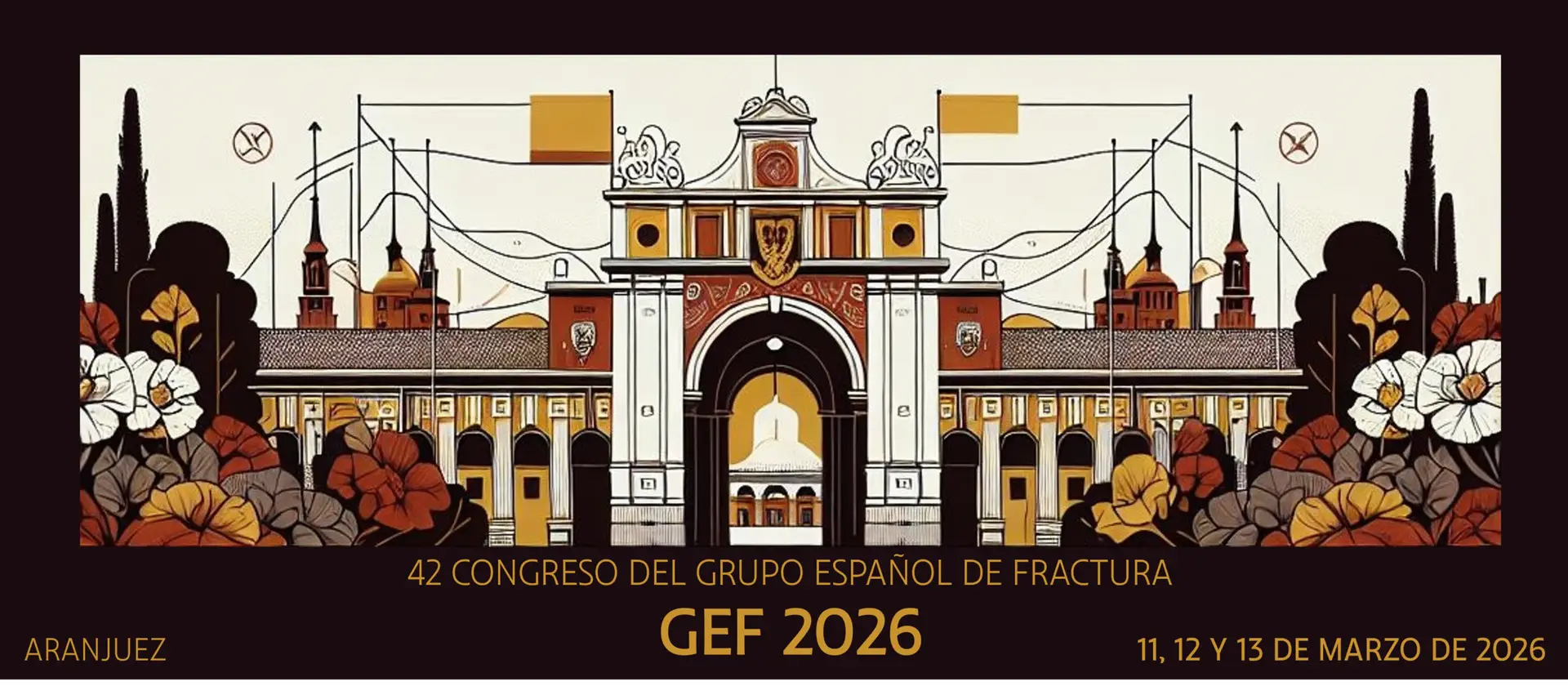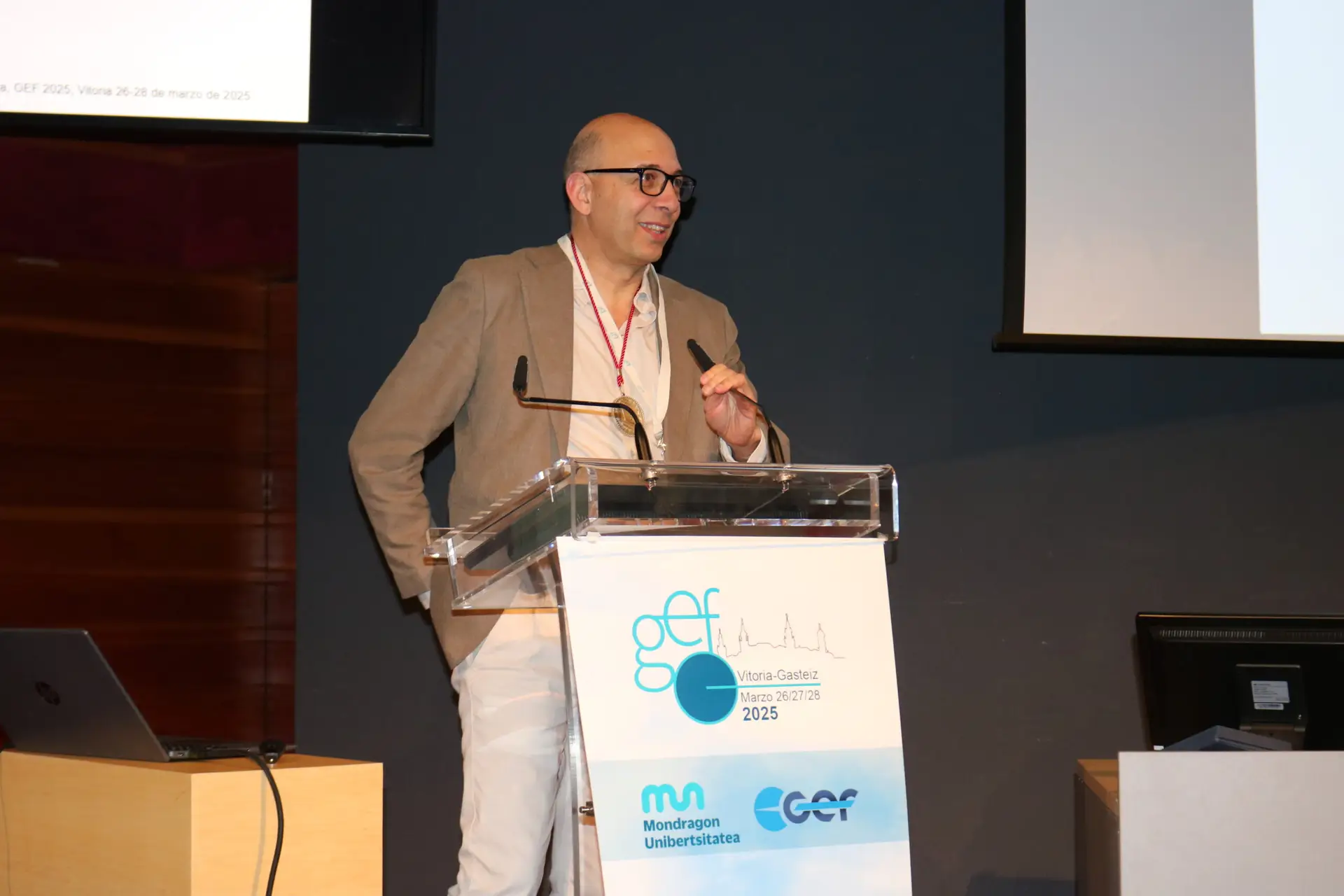

El Prof. Emilio Martínez-Pañeda, investigador asturiano y Associate Professor en la Universidad de Oxford, recibió la Medalla de la Sociedad Española de Integridad Estructural – Grupo Español de Fractura (SEIE-GEF) durante el 42 Congreso del Grupo Español de Fractura GEF2026, celebrado en Aranjuez del 11 al 13 de marzo de 2026. En el acto de entrega, Martínez-Pañeda impartió la conferencia «Predicting fractures in ice-sheets and glaciers to improve sea level rise projections», que refleja su innovadora línea de investigación aplicando la mecánica de fractura al estudio del cambio climático. Formado en la Universidad de Oviedo y con una brillante trayectoria en Cambridge, Imperial College London y Oxford, cuenta con más de 100 publicaciones y un índice h de 50. Entre los hitos más destacados de su carrera destacan el premio Zienkiewicz y haber recibido una ERC Starting Grant. La medalla reconoce tanto su proyección internacional como su activa participación en el GEF desde 2013, con contribuciones en congresos y colaboraciones con grupos de investigación españoles.